
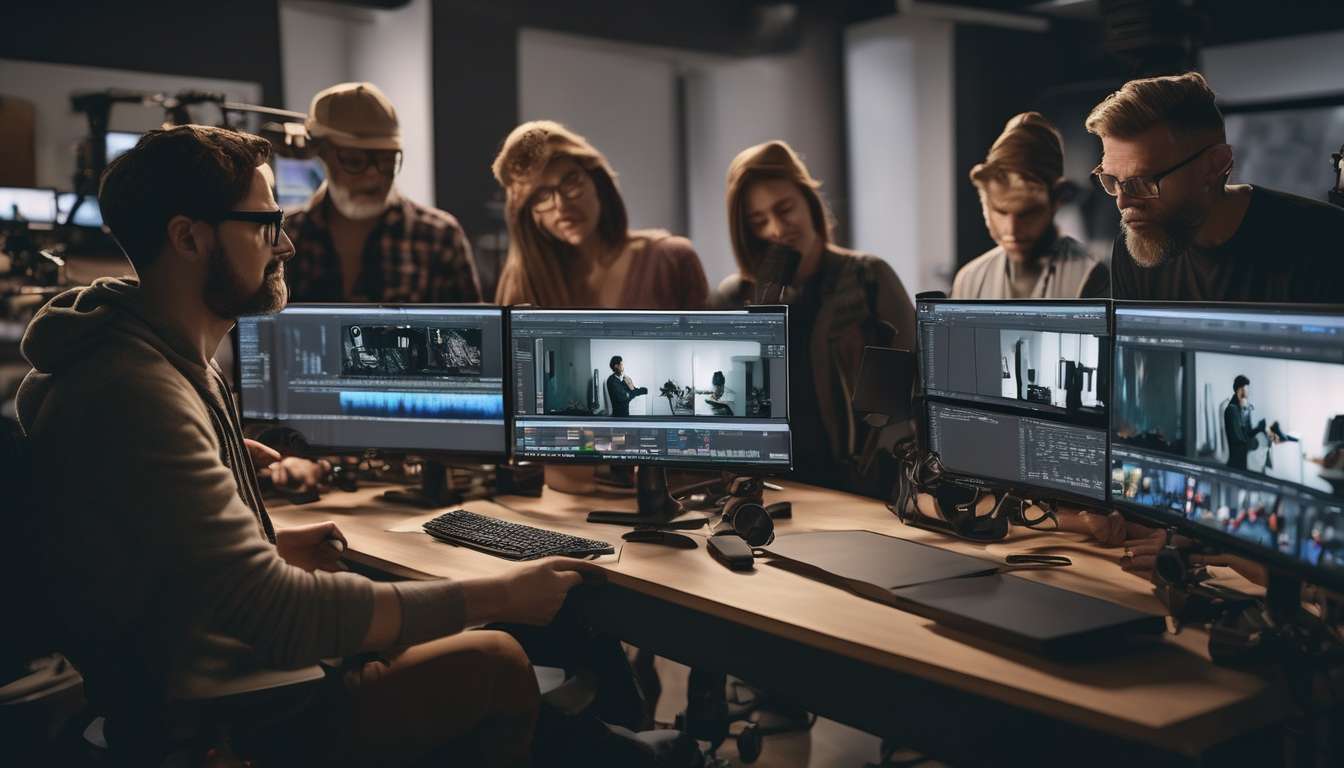
Vivid as cinema yet compact as a pocket mirror, our industry faces a dividing line between desktop spectacle and thumb-sized intimacy.
We compare sprawling studio workflows built for large screens with lean, mobile-first processes that demand immediacy, efficiency, and emotional brevity.
Where once elaborate sets, long takes, and multi-camera rigs defined production value, now color grading tuned for small OLEDs, rapid pacing, and sound designed for earbuds take precedence.
We shift story beats to register in a glance, rethink framing to honor vertical aspect ratios, and streamline crews so shoots can happen in more locations with fewer permits.
We balance artistic intent with platform constraints, preserving authenticity while optimizing for short attention spans.
As we adapt, our roles blur:
- Editors consult on set.
- Directors think in seventeen-second arcs.
- Producers negotiate delivery specs with app engineers.
This contrast reshapes not only how we make adult content, but how audiences experience desire itself.
Mobile-First Storytelling
We rethink pacing, framing, and character beats so stories land clearly on small screens and scrolling attention spans.
We design mobile-first narratives that honor viewers’ time and desire to belong.
- We craft arcs that feel intimate and immediate.
- We choose scenes that read quickly, favoring clear motivations and concise exchanges so characters connect without long setup.
We let intent guide composition, not format.
- We embrace vertical video when it deepens presence, but never let format dictate meaning.
- We frame and block to reinforce emotional clarity and shared experience.
We adopt fast-paced editing to maintain rhythm and momentum.
- We cut to reactions and beats that affirm shared experience and emotional clarity.
- We sharpen hooks and trim moments that drift.
We prioritize accessible language and recognizable situations so audiences feel seen, not lectured.
We iterate with feedback from real viewers.
- We test hooks, pacing, and beats.
- We refine based on what keeps attention and builds connection.
We balance novelty with familiarity.
- We offer fresh approaches while preserving cues that build community around a story.
We aim for work that fits palms and lives, inviting consistent, engaged viewership.
Vertical Framing Techniques
We frame vertically to prioritize faces, gestures, and spatial relationships that read clearly on narrow screens.
Our compositions center partners and key actions so viewers feel included, like they’re part of a close-knit viewing circle.
Our mobile-first approach guides camera height, eye lines, and negative space, keeping shots uncluttered and intimate.
We favor tight close-ups and mid-shots that translate across device sizes, and we lean into vertical video aspect ratios to avoid wasted framing.
We crop thoughtfully during rehearsals so nothing important falls outside the frame when phones rotate or crop.
Continuity is paramount:
- We match eyelines and movement to sustain immersion.
We design shot lists with tempo in mind:
- Pair deliberate coverage with fast-paced editing to maintain energy without disorienting viewers.
- Standardize framing language on set so every crew member, performer, and editor belongs to the same visual conversation.
Result:
- Consistent, respectful vertical storytelling that serves our audience.
Sound for Earbuds
We optimize audio specifically for earbuds so listeners get clear dialogue, present ambience, and punchy low-end without overwhelming small drivers.
We mix with a mobile-first mindset.
- Prioritize midrange clarity where voices live.
- Use gentle compression to keep levels consistent across noisy commutes and quiet nights.
We balance ambience to give scenes depth in vertical video without masking speech.
- Use stereo width sparingly so the soundstage feels natural on two tiny speakers.
We EQ to remove muddiness and add presence.
- Apply subtle harmonic excitement to enhance presence.
- Deploy multiband limiting to protect against sudden peaks.
We create device- and codec-optimized versions.
- Produce exports tailored to common consumer earbuds and codecs so listeners hear the same intent regardless of device.
- Tag exports clearly and share concise guidelines with editors working on fast-paced edits so sound edits stay faithful to performance.
Together, we keep audio intimate, inclusive, and dependable for every listener on the go.
Fast-Paced Editing
We’ll tighten cuts, pace, and transitions so scenes land quickly without losing narrative clarity.
We prioritize mobile-first, attention-aware editing.
- We know viewers often watch on small screens and want to feel part of something crafted for them.
- We lean into fast-paced editing that respects attention spans.
- We design sequences so each cut adds meaning and momentum.
For vertical video, we rethink composition and beat length.
- Motion and emotion must be readable without squinting.
- Shots and timing are adjusted so important visual information stays visible and legible.
We collaborate closely and iterate in real time.
- We share edits and feedback so everyone’s voice shapes the rhythm.
- Collective input keeps the final piece feeling familiar and inclusive.
We trim filler and emphasize what matters.
- We remove unnecessary material, highlight reactions, and use rhythmic pacing to guide focus.
- We don’t sacrifice storytelling for speed; we sharpen scenes so narrative beats hit sooner and resonate longer.
The result: intimate, communal, and platform-ready content.
By committing to efficient, deliberate edits, we create work that’s perfectly tuned to how people actually watch today.
Minimalist Crew Models
We scale crews down to the essentials so we can shoot more often, move faster, and keep production costs predictable.
We build tight teams that share responsibility, so everyone feels seen and valued while we focus on mobile-first deliverables.
- Our grips double as gaffers.
- Producers handle scheduling and talent care.
- A compact camera + audio unit captures everything we need for vertical video.
We prioritize clear roles and streamlined gear lists to reduce setup time and friction on set.
- That discipline creates a steady rhythm where trust grows: crew members learn each other’s cues, decisions happen quickly, and collaboration becomes part of the craft.
- With fewer people, communication stays direct, and we can pivot during a take to support fast-paced editing needs.
We invest in multi-skilled training so our group can adapt to different shoot sizes without losing cohesion.
- That sense of shared purpose helps us deliver consistent, efficient productions tailored for mobile viewing.
Color Grading for Small Screens
When grading footage for small screens, emphasize contrast, saturation, and legibility so images read clearly on phones even in bright environments.
Tune color curves to preserve skin tones while boosting midtone contrast so faces pop in mobile-first contexts.
Pick palettes that translate to vertical video, avoiding subtle hues that flatten when compressed or dimmed by ambient light.
Increase local contrast selectively, keeping backgrounds soft so subjects remain the clear focal point.
Adopt consistent looks across scenes so viewers recognize the style immediately and feel part of a familiar experience.
Test grades on multiple devices and lighting conditions and iterate quickly to match the rhythm of fast-paced editing.
Keep highlights controlled to prevent clipping on small OLED panels, and raise shadows just enough to reveal detail without losing depth.
By prioritizing legibility, color fidelity, and recognizability, build a cohesive, mobile-first visual language that welcomes viewers and supports comfortable, repeat viewing.
Platform Delivery Specs
We meet platform-specific file, codec, aspect ratio, and bitrate requirements to ensure smooth playback and consistent image quality across devices.
We standardize masters for mobile-first distribution:
- H.264 or H.265 MP4 for mainstream sites.
- AV1 where supported.
- Audio: AAC, 128–256 kbps.
We prepare multiple aspect variants so content feels native on phones:
- Vertical crops (9:16) for mobile feeds.
- Widescreen variants for desktop/TV.
- Ensure key action stays centered during fast-paced edits.
We follow platform specs for technical parameters to avoid re-encoding artifacts and playback stalls:
- Frame rates.
- Color space.
- Closed captions.
- Keyframe intervals.
We package adaptive streaming renditions with multiple bitrates so viewers on varied connections receive the best experience.
Our delivery manifests include verification and metadata to enable confident releases:
- Checksums.
- Thumbnails.
- Metadata aligned with each platform’s taxonomy.
By sharing the same standards, we create a dependable ecosystem where creators, engineers, and audiences belong and thrive.
Ethical Production Practices
We commit to ethical production practices that prioritize informed consent, performer safety, and transparent labor standards throughout every stage of mobile-adapted content creation.
We make sure every performer understands how mobile-first distribution changes framing, cropping, and pacing so consent covers vertical video edits and fast-paced editing techniques.
We create clear contracts that name deliverables, payment terms, and reuse rights specific to mobile formats, and we keep channels open for questions and revisions.
We foster a team culture where crew and performers belong, voicing concerns about lighting, camera proximity, or edit styles that might compromise comfort or safety.
We schedule reasonable call times, provide breaks, and ensure on-set medical and mental health resources.
We use consent checklists tied to specific edit treatments and preserve raw footage when requested for accountability.
We audit our postproduction workflows to prevent exploitative manipulations and train editors in ethical choices for vertical video pacing.
We hold ourselves accountable with regular reviews, community feedback, and transparent reporting on labor practices.
How do you handle age verification and consent documentation specifically when performers participate in split-shoots or remote, self-shot segments?
We require government ID checks and date-stamped selfies at session start.
We require signed digital release forms tied to unique project IDs.
We store records encrypted and perform regular audits.
We verify IDs via live video when possible.
We confirm consent for specific uses and edits, and honor withdrawal requests promptly.
Process (ordered):
-
Verify identity at session start:
- Government-issued ID check.
- Date-stamped selfie taken at the beginning of the session.
- Live video verification when feasible.
-
Obtain and record consent:
- Signed digital release form linked to the project ID.
- Consent must specify permitted uses, edits, and distribution channels.
-
Secure record-keeping:
- All documents and media are stored with encryption.
- Access controls limit who can view or modify records.
-
Ongoing compliance:
- Regular audits of files and consent records.
- Procedures to promptly process withdrawal or change requests.
Key protections and commitments:
- Age verification and consent are mandatory for split-shoots and remote/self-shot segments to keep participants safe and included.
- Minimum checks include ID + selfie + signed release; live video adds further verification when available.
- Data security: encrypted storage, access controls, and audit logs.
- Participant rights: clear consent scopes and prompt honoring of withdrawal or modification requests.
What strategies do you use to test and ensure accessibility features (closed captions, audio descriptions, high-contrast visuals) work reliably across different mobile devices and assistive apps?
We test accessibility features across devices and apps by building inclusive checklists and running routine, collaborative audits.
We use real devices, screen readers, caption toggles, and high-contrast modes, and we recruit users with disabilities for feedback.
We automate regression checks where possible, log issues centrally, and iterate quickly.
We also document best practices, provide training, and keep open channels so everyone can report accessibility gaps and feel heard.
How are revenue splits, rights, and licensing negotiated when creators from different regions contribute short mobile-first scenes to a single production?
We negotiate revenue splits, rights, and licensing collaboratively.
We start with clear contracts that spell out percentages, territory rights, and usage windows.
We factor in legal and financial considerations, including:
- local laws,
- platform fees,
- contributor roles.
We agree on operational details, such as:
- royalty schedules,
- dispute resolution.
We handle registrations and licensing by:
- registering works where needed,
- licensing rights either non-exclusively or exclusively as chosen.
We keep transparent accounting so everyone feels respected, included, and fairly compensated for their contributions.
Conclusion
You’re reshaping adult-video production for a mobile-first world.
Prioritize vertical framing, snug sound design, and brisk edits to hold attention on earbuds and small screens.
Trim crews and tweak color grading for clarity on tiny displays while meeting varied platform specifications.
Maintain consent, performer safety, and ethical standards—never sacrifice these for optimization.
Marry technical discipline with responsible practices so content is optimized, respectful, and ready for modern on-the-go viewing.