
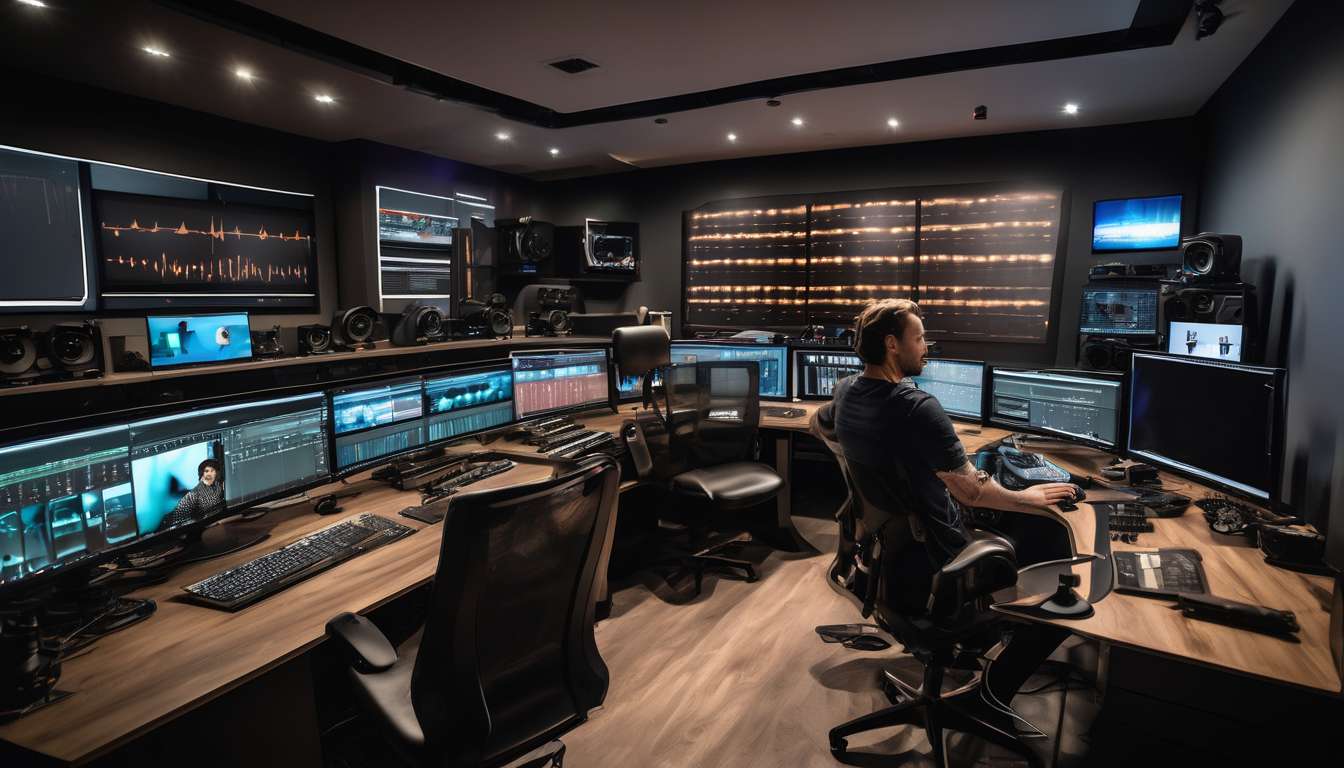
Vast shifts in workflow distinguish yesterday’s adult video sets from the studios we manage now, and we find the contrast both striking and instructive.
Where once crews depended on analog tape logistics and fragmented talent scheduling, we now coordinate cloud-based asset management, real-time remote direction, and AI-assisted editing pipelines.
This evolution has reshaped roles, streamlining production while demanding new technical literacy from performers and technicians alike.
We’ve learned to balance creativity with efficiency, integrating data-driven decisions without sacrificing human nuance.
As budgets tighten and platforms consolidate, our operations adapt:
- Smaller teams accomplish more.
- Distributed contributors plug into centralized systems.
We also confront ethical, legal, and privacy considerations that accompany these tools, prompting rigorous policy updates.
Through candid trials and iterative improvements, we’re redefining professionalism and sustainability in the adult video industry, demonstrating that modernization can enhance quality, safety, and creative freedom when implemented thoughtfully and transparently.
Legacy vs Modern Processes
We’ve moved from manual, paper-based setups and siloed teams to automated, cloud-enabled pipelines that let us coordinate shoots, postproduction, and distribution in real time.
We remember when call sheets, physical tapes, and separate departments made collaboration slow and exclusionary; today, cloud asset management and remote directing help us include contributors no matter where they are.
We’re building workflows that prioritize clear roles and shared access, so everyone feels seen and useful rather than isolated.
AI-assisted editing speeds routine tasks and keeps creative control with teams, not gatekeepers, letting us focus on storytelling and safety.
We still respect craft and consent, but we don’t accept avoidable delays or barriers to participation.
By adopting these tools thoughtfully, we create environments where technicians, performers, and producers belong and contribute equitably.
The contrast between legacy friction and modern efficiency isn’t about replacing people; it’s about amplifying community, reducing burnout, and making production more humane and inclusive for everyone involved.
Cloud-Based Asset Management
We store, tag, and share every take in secure, centralized systems so teams can find footage, metadata, and rights information instantly.
We rely on cloud asset management to keep our libraries organized, searchable, and permissioned so collaborators feel confident contributing and accessing what they need.
Our workflows emphasize clear versioning, automated backup, and role-based access, so nobody worries about lost files or unclear ownership.
We adopt standardized metadata schemas and consistent tagging so scenes, performers, releases, and usage rights are discoverable.
We integrate with production tools to avoid siloed drives, letting teams:
- queue clips for review,
- annotate frames,
- prepare deliverables.
We support remote directing workflows by ensuring low-latency previews and secure streams, while keeping the distinction between direction practices and asset control clear.
We embrace AI-assisted editing to accelerate rough cuts, suggest highlights, and surface quality issues, always with human oversight.
This combination of shared responsibility, technical safeguards, and smart automation helps our community move faster while protecting creators and their work.
Remote Direction Practices
We set up secure, low-latency streams and clear communication protocols so directors can guide shoots from anywhere without disrupting consent, safety, or production quality.
We foster a collaborative atmosphere where performers, crew, and remote directors feel included and respected.
- Everyone has channels to raise concerns and confirm boundaries in real time.
- Role-specific access controls ensure participants see only what they need to for their responsibilities.
Our remote directing workflow pairs reliable connectivity with role-specific access controls and integrates with cloud asset management.
- Footage, logs, and release forms stay organized and auditable.
- Audit logs and versioning preserve a clear record of who made decisions and when.
We use standardized shot lists, visual cues, and prerecorded briefings so remote directing is efficient and predictable, minimizing on-set stress.
Technical teams run rehearsals to verify systems and emergency plans.
- Verify audio/video sync and stream stability.
- Test fallback plans (alternate connections, local director handoff).
- Document technical and creative decisions so contributors see their input reflected.
While we leverage AI-assisted editing tools elsewhere in the pipeline to speed post, remote-direction sessions prioritize human communication and consent.
- Sessions focus on consent checks and creative intent.
- The process emphasizes transparency, dignity, and high production standards to ensure everyone feels safe and included.
AI-Assisted Editing
We combine automated scene detection, smart trimming, and metadata tagging to speed editors’ work while keeping final judgment and consent decisions firmly human.
We’ve embraced AI-assisted editing to cut repetitive tasks and let our teams focus on creative choices and ethical oversight.
By linking edits to cloud asset management, we keep media organized, searchable, and accessible to everyone on the team, whether they’re on set or working offsite.
Our workflows support remote directing inputs without replacing the director’s intent:
- Comments, flags, and version notes travel with assets.
- Collaborators feel included and accountable.
We train models on consent-approved material and guard against overreach, ensuring humans approve all final cuts and distribution metadata.
Editors use AI suggestions as starting points, not mandates, and we maintain clear audit trails for every change.
This approach strengthens trust inside our community, speeds delivery, and preserves the human relationships at the core of production while leveraging technologies that make collaboration kinder and more efficient.
Scheduling and Talent Coordination
We coordinate schedules, travel, and availability with clear calendars and automated reminders so performers and crews can focus on consent, comfort, and craft.
- We build inclusive rosters and shared timelines that respect boundaries and availability.
- We use cloud asset management to centralize call sheets, releases, and wardrobe notes.
- We keep communications concise and transparent so everyone knows who’s on set, when breaks happen, and how to access resources.
We embrace remote directing when talent need flexibility, setting up reliable feeds, checklists, and contingency plans that let creatives participate from elsewhere without feeling isolated.
- We set up redundant, reliable remote feeds and clear checklists to reproduce on-set workflows remotely.
- We create contingency plans so remote contributors aren’t left waiting or disconnected.
We streamline booking and confirmations with secure portals that honor privacy and let performers control their data.
- Secure portals handle bookings, confirmations, and consent forms.
- Privacy controls allow performers to manage their personal data and sharing preferences.
We integrate signals from scheduling tools into post workflows so footage and metadata flow into AI-assisted editing systems faster, reducing turnaround while preserving human oversight.
- Scheduling and call-sheet metadata are passed to ingest and editing systems automatically.
- AI-assisted tools accelerate rough cuts and organization while editors retain final creative control.
We cultivate routines that welcome new contributors, offer clear points of contact, and maintain safety-first practices, so our teams feel supported, respected, and part of a collaborative community.
- Onboarding routines introduce contributors to contacts, tools, and expectations.
- Clear points of contact and documented safety practices keep communication channels open and responsibilities understood.
Data-Driven Production Decisions
We analyze performance metrics, audience trends, and production costs to make targeted decisions that boost creative impact, reduce waste, and respect performer wellbeing.
We use centralized dashboards to track engagement, revenue per asset, and shoot efficiency so the whole team feels informed and included.
With cloud asset management, we store tagged footage and metadata that let editors, directors, and producers pull insights without guesswork.
We embrace remote directing for flexible shoots, inviting collaborators and performers to contribute ideas in real time.
- This transparency strengthens trust and belonging across locations.
AI-assisted editing speeds rough cuts and highlights strong takes.
- That frees humans to focus on storytelling and performer care.
We prioritize experiments that are measurable:
- A/B testing scenes, pacing, and thumbnails.
- Reallocating resources toward formats that resonate.
Our decisions are collaborative and data-guided, not top-down mandates.
- By sharing findings and iterating together, we create a production culture that’s efficient, creative, and supportive of everyone involved.
Privacy and Compliance Protocols
We enforce strict privacy and compliance protocols that protect performer consent, data security, and legal requirements across every stage of production.
We centralize consent forms, IDs, and release records in encrypted cloud asset management systems so everyone on the team can access verified documents without exposing sensitive data.
We limit access by role, log every view and edit, and rotate keys to reduce risk.
When we use remote directing, we apply secure tunnels and vetted platforms so guidance can be real-time without widening the attack surface.
We require two-factor authentication for remote contributors and mandate privacy-preserving camera setups that blur non-consenting areas.
As we adopt AI-assisted editing, we audit models for data retention, ensure training data is authorized, and keep a clear chain of custody for raw and processed files.
We update policies collaboratively, invite performer input, and hold regular compliance reviews so every team member feels included, respected, and confident that privacy and legal obligations stay at the core of our modern workflows.
Training and Technical Literacy
We train every team member on the tools, security practices, and legal responsibilities they need to work efficiently and safely with modern production technology.
We build inclusive, hands-on sessions that demystify cloud asset management, explain access controls, and show how secure workflows protect performers and creators.
- We pair experienced staff with newcomers so everyone learns at a comfortable pace.
- We foster an environment where people feel supported asking questions.
We practice remote directing setups together, rehearsing communication protocols, latency troubleshooting, and consent checks so virtual shoots run smoothly and respectfully.
We run practical drills for AI-assisted editing tools, clarifying where automation helps and where human judgment must intervene to maintain ethical standards and creative intent.
- We document step-by-step guides and keep them current.
- We host regular refresher sessions and encourage feedback to keep training relevant.
We measure competence with simple assessments and mentorship milestones, ensuring each person can confidently use systems, flag risks, and contribute to a studio culture that values skill, safety, and belonging.
How do studios handle intellectual property rights and performer ownership when using third-party cloud services?
We ask how studios handle IP rights and performer ownership when using third-party cloud services.
We negotiate clear contracts assigning copyrights or licenses.
We require performer releases that specifically cover cloud storage and distribution.
We insist on vendor agreements with strong data protection and limited-use clauses.
We keep records of consent.
We use watermarking and access controls.
We audit providers regularly to ensure our rights and performers’ interests stay protected and respected.
What contingency plans exist for sudden internet or power outages during live remote-directed shoots?
Contingency for sudden internet or power outages during live remote-directed shoots
Redundant connectivity
- We keep redundant internet options such as cellular hotspots and backup ISPs to maintain a live feed if the primary connection fails.
Power backups
- We use battery backups: UPS units for critical gear and power banks for cameras to preserve operation during outages.
Rehearsed failover procedures
- We rehearse failover steps and assign clear roles so everyone knows who will switch feeds, change connections, or pause the session when needed.
Local recording
- We maintain local recording on-site as a safety copy to ensure no footage is lost if the remote feed drops.
Schedule and buffer
- We schedule buffer time into shoots to accommodate recovery from interruptions without rushing creative decisions.
Communication and support
- We keep clear, compassionate communication with cast and crew during disruptions to keep everyone informed and supported.
How are consent and boundaries documented and enforced when AI tools generate synthetic rehearsal footage or de-aging effects?
We document consent and boundaries with clear written releases, scope-of-use forms, and timestamped consent logs.
- These documents specify which models will be used, what image alterations (e.g., de-aging or synthetic rehearsal footage) are permitted, how long data will be retained, and limits on distribution.
We enforce consent through technical controls and audits.
- Controls include watermarks, access logs, and revocation mechanisms to disable or restrict previously generated assets.
- We conduct regular audits to verify compliance with consent terms and technical safeguards.
We include community review and withdrawal options so participants remain empowered.
- We hold community review sessions to gather feedback and ensure concerns are heard.
- Participants can withdraw consent within agreed timelines, with procedures in place to act on withdrawals (e.g., removing assets, updating access permissions).
Conclusion
You’ve seen how studios are shifting from clunky, siloed workflows to nimble, cloud-driven systems that let you coordinate shoots, edit quickly with AI tools, and make data-backed decisions.
You’re adopting remote direction, tighter privacy controls, and smarter scheduling that respect talent and compliance.
As you invest in training and technical literacy, your operations get faster, safer, and more scalable—so you can focus on creativity while the modernized infrastructure handles the logistics.