
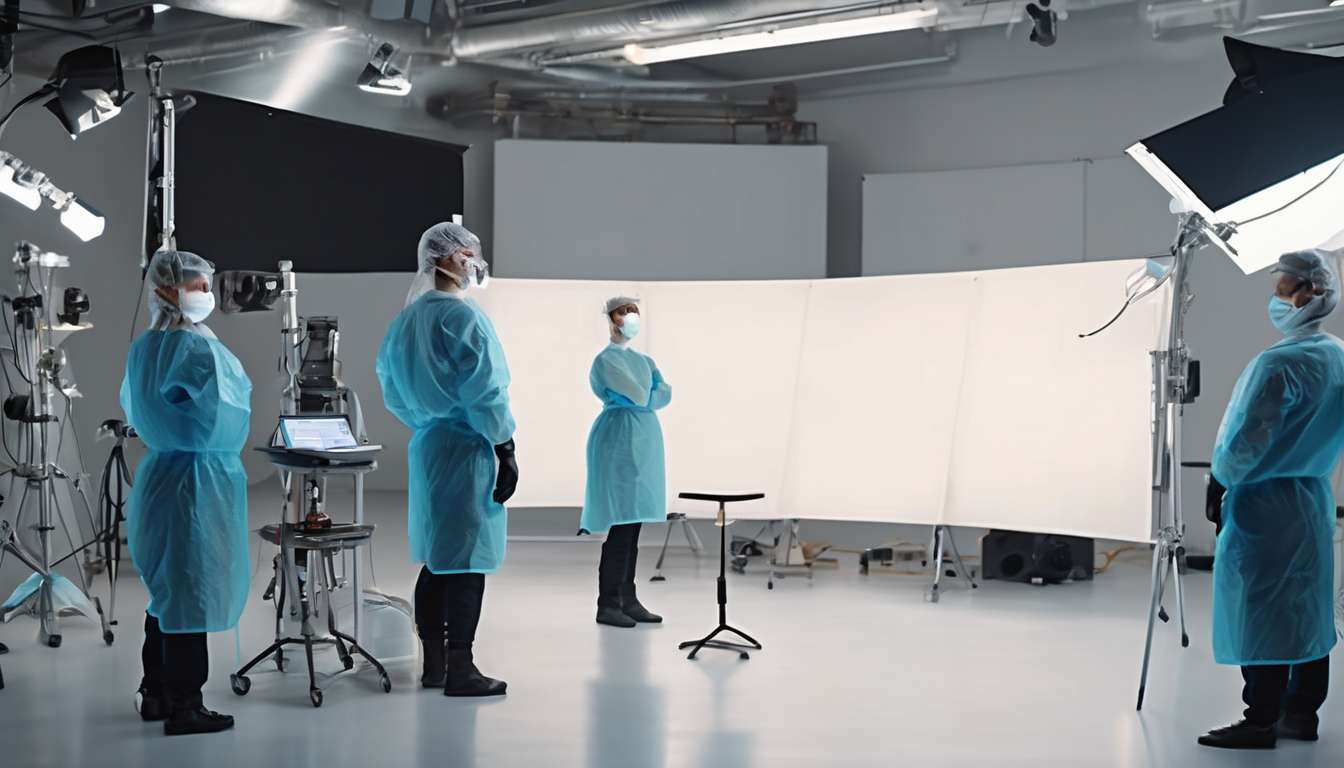
Leading a shoot last summer, we encountered a moment that reshaped how we think about on-set care: a performer quietly asked for a break and a dedicated safety officer immediately adjusted lighting, timing, and consent cues without hesitation.
We realized then that what looks like routine coordination is actually an evolving system of protections: clear communication protocols, medical access, mental-health supports, and enforceable consent checklists that many studios now embrace.
We have watched production teams adopt standardized briefings, third-party testing, and trauma-informed practices, and we have felt the difference: improvements in trust, efficiency, and morale.
As practitioners and observers, we recognize that these changes didn’t appear overnight: they grew from conversations, regulations, and a willingness to treat adult sets as workplaces deserving professional safeguards.
In this article, we explore three areas:
- Implementation of practical measures
- Challenges studios face
- Measurable benefits for performers, crew, and the industry’s reputation
Together, these points illustrate a shift toward professionalized on-set care that protects people and supports better production outcomes.
Industry Safety Overview
We assess industry safety by tracking incident rates, standardizing training, and enforcing clear health and consent protocols.
We commit to on-set safety that protects every team member and performer, so no one feels isolated when raising concerns.
We share responsibility for consistent STI testing schedules and transparent reporting, making health information accessible while respecting privacy.
We adopt consent protocols that are explicit, revocable, and documented, creating a culture where saying no is supported and honored.
We train together on de-escalation, boundaries, equipment use, and emergency awareness, so people know they belong to a trusted, competent crew.
We collect and analyze safety data to close gaps and improve procedures, and we invite feedback from performers, technicians, and coordinators alike.
We prioritize timely communication about risks and accommodations, and we normalize asking questions without judgment.
We expect accountability at every level and provide clear pathways to report violations or request support.
We’re building an industry where collective care, mutual respect, and practical safeguards make safer work the standard.
On-Set Medical Protocols
We ensure trained medical personnel are present or immediately available during shoots, with clear emergency plans, stocked first-aid kits, and protocols for documenting and following up on any health incidents.
We maintain on-site processes that normalize routine STI testing, clear symptom reporting, and confidentiality so every team member feels secure and included.
We coordinate with local clinics for rapid testing and treatment referrals, and we keep testing records handled sensitively and accessibly.
We train crew on basic on-set safety measures so everyone knows their role in a calm, collective response:
- Wound care.
- Allergic reaction response.
- When to escalate to medical professionals.
We establish clear lines of communication for health concerns and reinforce consent protocols without duplicating the upcoming discussion on communication standards.
We audit medical supplies and update emergency contacts regularly, and we debrief after incidents to improve practices.
By embedding these standards, we build trust, reduce risk, and foster a workplace where health is a shared responsibility.
Consent and Communication Standards
We require clear, ongoing verbal and written consent before, during, and after every scene.
We make sure everyone knows how to pause or stop activity at any time.
We build consent protocols that are simple, standardized, and inclusive so every performer feels seen and supported.
- Briefings outline boundaries, negotiated acts, and safe words or signals.
- Documentation of agreements reduces ambiguity and provides a reference for everyone involved.
We encourage honest, nonjudgmental check-ins before each take and between scenes.
- Performers are invited to express concerns or limitations openly.
- Crew are empowered to speak up if they observe discomfort or boundary breaches.
We link communication practices directly to on-set safety by training everyone in respectful language, interruption procedures, and immediate response steps.
- Training covers how to interrupt safely, how to respond when pauses occur, and who leads medical or welfare interventions.
We prioritize creating a culture where consent is a living process, not a one-time formality.
- Returning and new performers should join a community that honors autonomy and ongoing dialogue.
We coordinate with medical and testing teams to ensure consent discussions acknowledge but do not replace STI testing policies.
- Roles and responsibilities regarding health protection are made clear so consent conversations and medical protocols complement each other rather than confuse or supplant one another.
STI Testing and Monitoring
Regular, confidential STI screening and transparent monitoring
We require regular, confidential STI screening and transparent monitoring procedures so performers know their status, testing cadence, and who manages follow-up care.
We schedule routine STI testing on a clear timetable and keep results private, shared only with authorized personnel and the performer.
This approach reinforces on-set safety and supports collective responsibility.
Documenting positive results and coordinating follow-up
We document positive results and coordinate timely follow-up, treatment referrals, and temporary work adjustments when needed.
We maintain records securely and notify partners per agreed consent protocols, ensuring nobody is singled out or shamed.
We train coordinators to handle disclosures with empathy, confidentiality, and procedural consistency so every team member feels protected.
Maintaining testing quality and clear expectations
We review testing technologies and lab partnerships regularly to keep accuracy high and turnaround times short.
We communicate expectations during recruitment and before shoots so performers join knowing protocols are firm, fair, and community-focused.
Outcomes
By centering transparent STI testing and monitoring, we strengthen trust, reduce risk, and foster a workplace where everyone belongs and can work safely.
Mental Health Support Systems
We provide accessible, confidential mental health resources and regular check-ins so performers and crew can get timely support, reduce stigma, and maintain resilience.
We build a culture where asking for help is normal, integrating therapists and peer-support networks into daily operations.
Our approach links mental wellness to on-set safety: feeling supported reduces anxiety that can undermine communication and boundary-setting.
We coordinate with STI testing services and production schedules so health checkups don’t create extra stress, and we encourage open conversations about emotional needs before and after shoots.
Consent protocols are reinforced through supportive debriefs, where performers can voice concerns without judgment and request adjustments.
We offer flexible access to counseling, crisis lines, and workshops on stress management, all confidential and nonpunitive.
We track utilization and feedback to improve services, ensuring resources feel relevant and inclusive.
By centering belonging and practical supports, we promote a safer, healthier workplace where everyone can perform with dignity and confidence.
Training and Certification Programs
We develop standardized training and certification programs that teach clear safety practices, consent communication, boundary negotiation, and emergency response for performers and crew.
We design hands-on modules that prioritize on-set safety, teach practical de-escalation, and normalize asking for help.
Our curriculum includes role-playing consent protocols so everyone learns to:
- state limits,
- confirm agreement, and
- pause or stop activities confidently.
We require instruction about STI testing—what tests mean, testing schedules, and how results affect scene planning—so health conversations aren’t stigmatized but become routine.
Certification demonstrates shared commitment and creates a trusted community where newcomers and veterans belong and support each other.
We offer refresher courses and peer-led workshops to keep skills current and reinforce respectful teamwork.
Assessments combine written checks and observed practice to validate competence.
By standardizing training we build predictable environments where people can work knowing safety steps are consistent, clear, and upheld by everyone on set.
Regulatory and Legal Compliance
We ensure our studios comply with local, state, and federal laws and industry regulations so performers and crew can work with clear legal protections and predictable obligations.
We review licensing, employment classifications, recordkeeping, and insurance to make sure every person feels included and supported.
We codify on-set safety requirements into contracts and signage, so expectations are transparent and everyone knows their rights and responsibilities.
We require documented STI testing and maintain protocols that respect privacy while meeting legal standards.
We train staff on consent protocols and retention of consent forms, creating consistent practices that protect participants and reduce ambiguity.
We work with legal counsel to update policies when laws change, and we engage performers and crew in policy reviews so policies reflect communal needs.
We coordinate with local health authorities for guidance and reporting when necessary.
By aligning legal compliance with community values, we build workplaces where safety, dignity, and mutual respect are central, not optional.
Measuring Safety Outcomes
We track specific, measurable indicators—like incident rates, near-misses, testing compliance, and reported consent violations—to evaluate whether our safety practices are actually reducing harm and improving workplace conditions.
We collect and log data on on-set safety events and close calls, adherence to STI testing schedules, and how often consent protocols are reviewed and documented.
We analyze trends over time, spot recurring hazards, and prioritize interventions where numbers show the greatest need.
We involve performers and crew in data collection so everyone feels ownership of outcomes; their reports shape policy changes and training updates.
We set clear targets (fewer incidents, full testing compliance, zero unresolved consent concerns), and we publish summarized results to maintain transparency and trust.
When metrics miss targets, we convene working groups to redesign processes and measure the effect of changes.
By grounding our community’s care in measurable outcomes, we make on-set safety, STI testing, and consent protocols living practices that keep people protected and connected.
How do studios handle background checks or screenings for people involved off-camera (crew, contractors, visitors) to ensure overall set safety?
Studios conduct thorough identity and background checks for off-camera crew, contractors, and visitors to ensure safety on set.
This includes verifying IDs, conducting criminal and employment background checks, and confirming professional certifications and references.
Contractors and visitors are required to sign policies that outline expected conduct and confidentiality obligations.
Signed agreements typically cover workplace behavior, harassment prevention, confidentiality of scripts and footage, and consequences for violations.
Health and access screenings are performed at arrival to control who enters the set and to maintain a safe working environment.
These screenings can include temperature checks, symptom questionnaires, proof of vaccination or negative test results where applicable, and verification of required PPE or safety training.
Studios maintain visitor logs and implement access controls to protect sensitive areas and equipment.
Visitor logs record names, company affiliation, arrival/departure times, and escort requirements. Access controls—badges, escorts, locked doors, and zone-based permissions—limit entry to restricted areas like stages, editing bays, and wardrobe.
Onboarding and ongoing training emphasize consent, respectful behavior, and reporting mechanisms so everyone feels respected and protected on set.
This typically involves orientation sessions on consent and boundaries, clear instructions on how to report incidents (anonymous options included), and regular reminders of support resources such as HR contacts or on-set welfare personnel.
Combined, these measures create layered protections—screening, contractual obligations, physical controls, and education—to reduce risks and promote a safe, respectful production environment.
What policies are in place about post-production staff or distribution partners who may access performers’ personal data or media, and how is privacy protected?
We require strict policies for anyone accessing performers’ data or media.
Access is limited by role.
- Grant permissions only on a need-to-know basis.
- Use role-based access controls (RBAC) and least-privilege principles.
We use encrypted storage and secure transfer.
- Store data at rest with strong encryption.
- Transmit data only over secure channels (e.g., TLS, SFTP).
We enforce NDAs and data-handling SOPs.
- Require signed nondisclosure agreements for all personnel with access.
- Maintain and follow standard operating procedures for handling sensitive data.
We audit access logs and rotate credentials.
- Continuously log and review access to data and media.
- Implement regular credential and key rotation, and revoke access promptly when needed.
We run privacy training so everyone knows expectations.
- Provide recurring training on privacy, security, and acceptable handling of performer data.
- Track completion and understanding of required training.
We require consented metadata use and permit performer review or deletion per agreements.
- Use performer metadata only with documented consent.
- Allow performers to review, request corrections, or request deletion in accordance with contractual terms and applicable law.
We will act promptly on breaches and support affected colleagues.
- Maintain an incident response plan with clear escalation paths.
- Notify affected parties as required and provide remediation and support.
Are there specific insurance coverages available for performers covering long-term health issues or career-ending injuries related to on-set incidents?
Question: Do specific insurance policies cover long-term health issues or career-ending injuries from on-set incidents?
Short answer: Yes — specialized performer policies exist that can cover long-term care and lost earning capacity, but coverage varies widely and requires careful selection.
Details and recommendations:
Types of policies commonly available
- Disability insurance — can replace income when a performer cannot work due to injury or illness.
- Occupational accident insurance — often provided for non-traditional employees (e.g., freelancers, day players) and can cover medical costs and some lost wages from on-set incidents.
- Supplemental health plans — fill gaps in standard health insurance, sometimes covering rehab, ongoing therapies, or higher-cost treatments.
What to confirm in a policy
- Career-ending / catastrophic injury riders — whether the policy includes benefits specifically for permanent disability or loss of future earning capacity.
- Limits and benefit periods — maximum payouts, waiting/elimination periods, and how long benefits continue.
- Coverage for mental health and rehabilitation — including therapy, inpatient/outpatient rehab, and vocational rehabilitation.
- Retroactive and ongoing treatment — whether pre-existing conditions are excluded and whether treatment begun later (or ongoing care) is covered.
- Definitions and exclusions — how “on-set,” “work-related,” and “disability” are defined, and any activity-specific exclusions (stunts, high-risk work).
Practical steps for performers
- Consult licensed insurance brokers who specialize in entertainment/performer coverage.
- Compare multiple policies for limits, riders, exclusions, and premium costs.
- Request scenario-based confirmations in writing (e.g., coverage for a career-ending injury sustained during a stunt).
- Coordinate with unions or agencies — many offer group plans or guidance and sometimes access to better terms.
- Consider supplemental riders for long-term care, psychiatric care, and loss-of-earnings guarantees.
Bottom line: Specialized policies can and do cover long-term health issues and career-ending injuries from on-set incidents, but coverage details—and whether a given policy will pay what you expect—depend on the policy language, riders, limits, and how incidents are defined. Get professional advice, compare options, and secure written confirmations for critical scenarios.
Conclusion
You’re seeing clear progress: studios are adopting medical protocols, standardized consent practices, regular STI testing, mental health supports, and formal training to make sets safer.
You’ll benefit from better outcomes: improved communication, documented legal compliance, and measurable safety outcomes that hold productions accountable.
As these practices spread and stakeholders collaborate: regulators, performers, and producers can raise industry norms—reducing risk, improving wellbeing, and making adult production a more professional, transparent, and trustworthy workplace.